Dear Taylor: Dating While Black and Positive
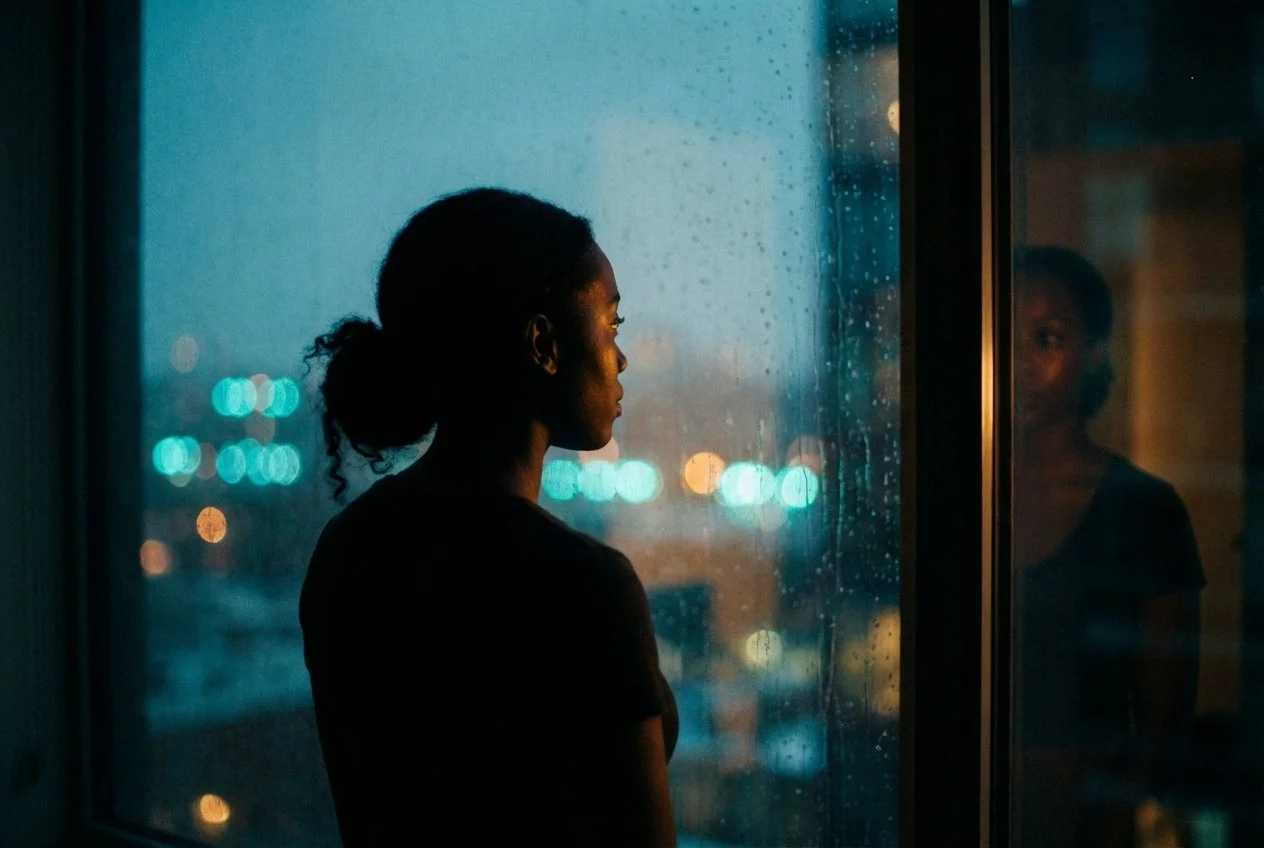
In tight-knit communities, privacy can feel like a luxury we cannot afford.
There is a specific weight to secrets when you live inside a community that feels like a family. When everyone is connected, by culture, by history, or by the simple proximity of social circles, privacy becomes a luxury. We often talk about the fear of rejection in dating, but we rarely talk about the fear of reputation. The anxiety isn't just that one person will say no; it is the terrifying possibility that one person will tell everyone else. When your identity is tied to a group that prides itself on talking, silence can feel like the only safe place to hide. But silence, as we know, is where shame grows best.
Dear Taylor,
I was diagnosed with HSV about three months ago, and honestly, I am still trying to find my footing. The physical part is one thing, but the social part feels like a minefield. I am a Black woman, and in our community, the stigma feels different. It is heavier. There is this 'exposing culture' where people love to air out everyone's business, and I am terrified of becoming a topic of conversation.
I have had some really dull moments lately, just sitting in my room thinking, "WTF is my life now?" It feels like I have to navigate a double standard. I see people debating whether we should date 'out' just to avoid the stress, but that doesn't solve the internal feeling of being damaged. I know it gets easier with time, but right now, I feel like I am walking around with a scarlet letter that only I can see. How do I date with honesty without putting my reputation on the chopping block? I don't want to hide, but I don't want to be exposed either.

Navigating the quiet moments where the weight of the stigma feels heaviest.
Sincerely, Nia
Dear Nia,
First, I want you to take a deep breath and acknowledge the resilience it took just to write this. You are carrying two heavy loads right now: the biological reality of a virus and the sociological weight of cultural expectation. It is completely valid to feel that the stigma is amplified in your community. When our networks are tight-knit, the whisper network can feel like a shouting match.
Those "dull moments" you describe, the confusion, the numbness, the "WTF", are not signs of weakness. They are the debris of your old self-image, crumbling so that a stronger, more honest version can be built. You are not damaged goods, Nia. You are a human being navigating a very common human experience in a high-pressure environment. The goal now is not to change the culture outside, but to fortify the fortress inside.
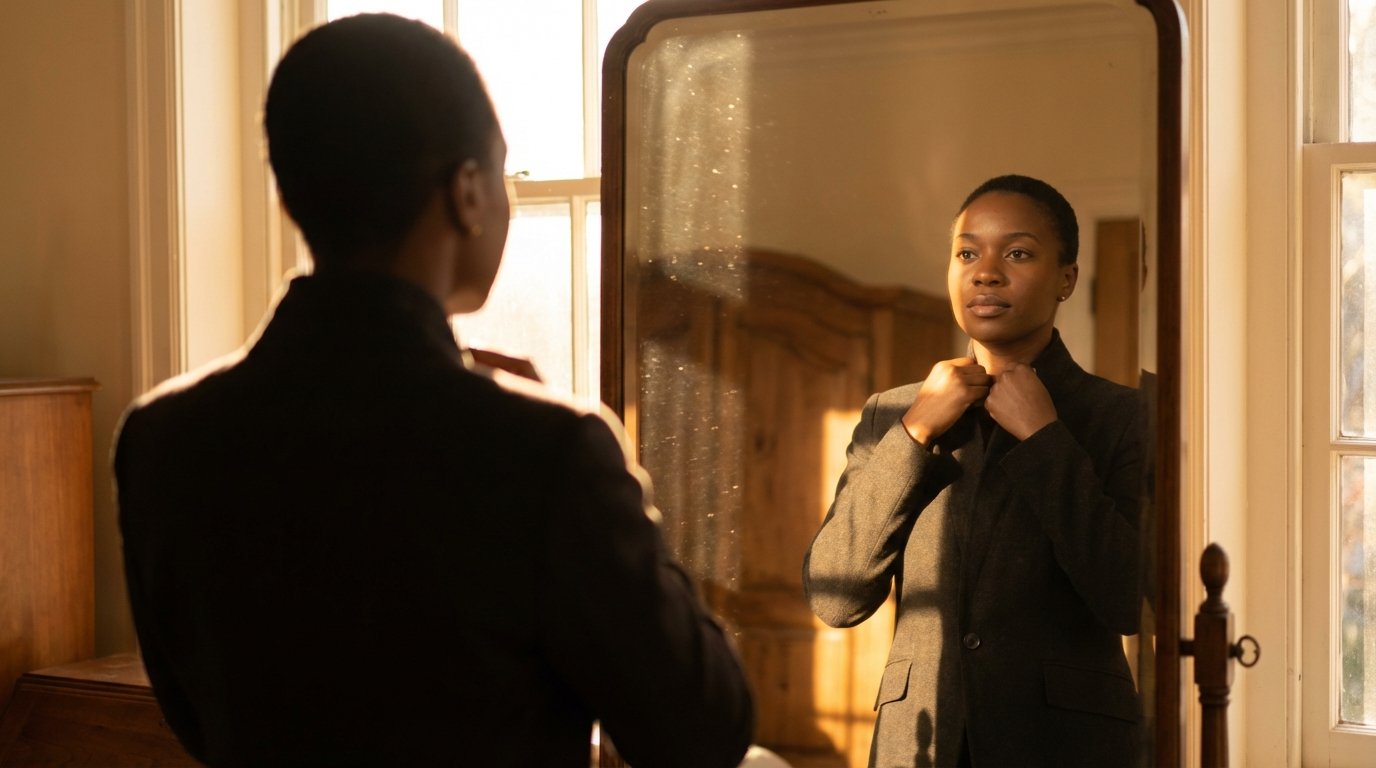
Rebuilding a self-image that is stronger and more honest than before.
Is your community a courtroom or a support system?
The fear of "exposing culture" is real, but it often blinds us to the silent majority who are dealing with the same thing. You feel like a defendant in a courtroom, but you are actually walking through a hospital waiting room, surrounded by people with their own charts, looking for the same healing you are.
1. The Vetting Phase is Your Shield
Disclosure is not a confession you owe to every stranger you buy a drink for. It is a privilege you grant to someone who has earned your trust. In a community where gossip travels fast, you must vet your partners ruthlessly before you disclose. Do not tell them on date one. Wait until you know they have the emotional maturity to handle your truth with respect, even if things don't work out. If they gossip about others, they will gossip about you. Use their behavior toward others as your litmus test.
2. Physical Health & Immune Support
Confidence starts with feeling good in your body. Stress is a massive trigger for outbreaks, and the anxiety of "exposing culture" can keep your cortisol levels high. You need to armor your immune system so you aren't fighting a war on two fronts. Many people find success by integrating natural suppressants into their daily routine. A combination of Monolaurin + L-Lysine is a powerhouse for disrupting the viral envelope and inhibiting replication. Adding Andrographis can also help modulate the immune response during high-stress periods. If you want to learn more about other traditional solutions check this out: Regain Control Over Your Health.
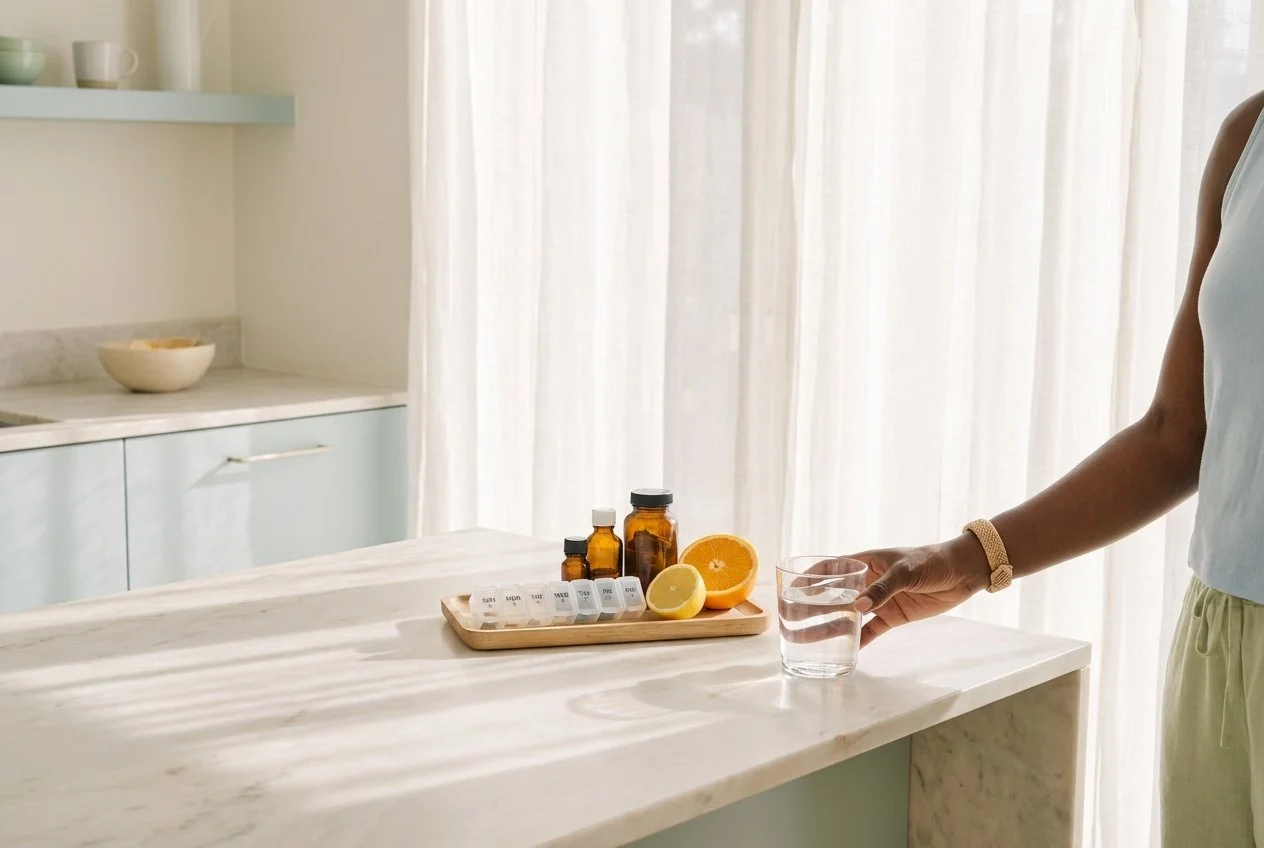
Armoring your immune system is the first step in winning the war on stress.
3. Reframing the 'Cold Sore' Narrative
A lot of the stigma in our communities comes from a lack of biological literacy. You will meet men who swear they are "clean" but get cold sores, not realizing it is the same virus (HSV-1) just in a different location. When you disclose, frame it educationally rather than apologetically. "I carry the virus that causes cold sores, but I have it genitally." This bridges the gap between the scary monster they imagine and the common skin condition they likely already know.
4. Find Your Micro-Tribe
You mentioned the pressure of the broader community, but you don't need the whole village to understand you, you just need a squad. There are incredible spaces specifically for Black men and women navigating this, like the r/PositiveBLK community or specific Discord groups. Finding people who look like you and share your diagnosis will dissolve that "only me" feeling. You are not alone, Nia. You are just early in your journey.

You don't need the whole village to understand you, you just need a squad.
Read more letters on Dating With Herpes, and explore The Dating Bible for advice on dating with honesty, courage, and self-respect.