CHAPTER 4: Monolaurin and Immune Defense, How Does It Target Viral Envelopes?

Monolaurin is chemically unique, offering a distinct approach to immune interaction.
In the ongoing conversation about natural health and immune defense, few compounds spark as much scientific curiosity as monolaurin. Originally discovered in human breast milk, this medium-chain fatty acid is widely recognized for its unique ability to interact with microscopic invaders. While coconut oil is a popular household staple, the specific molecule derived from it, monolaurin, operates on a distinct cellular level.
For those seeking to understand microbial balance, the primary question often revolves around mechanism: how can a simple fat molecule navigate the complex world of viruses and bacteria? The answer lies in the structural vulnerability of the pathogens themselves, specifically their protective outer coatings.
How does monolaurin interact with the lipid envelope?
To understand how monolaurin functions, it helps to visualize the structure of certain viruses. Many viruses are encased in a fatty protective layer known as a lipid envelope. This envelope is crucial for the virus’s survival; it holds the pathogen's genetic material together and houses the docking proteins required to attach to and enter healthy host cells.
Research suggests that monolaurin acts almost like a solvent to these fatty coatings. Because monolaurin itself is a lipid, it has a natural affinity for the viral envelope. When they come into contact, laboratory studies indicate that monolaurin may solubilize or disintegrate the protective shield. Once this envelope is disrupted, the virus is essentially "disarmed"; it loses the structural integrity needed to replicate or attach to host cells (see Ref #1). This mechanism is distinct because it targets the physical structure of the microbe rather than interfering with complex metabolic pathways.
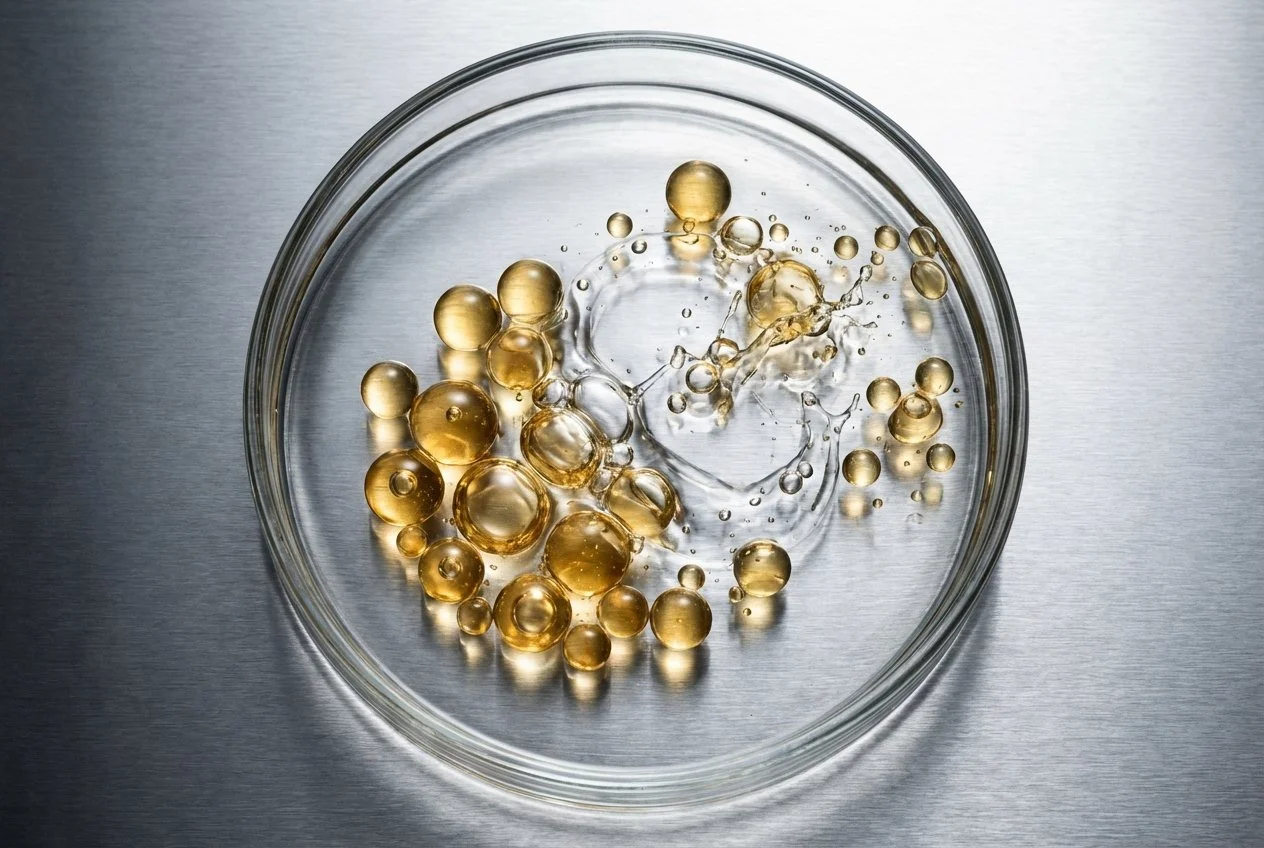
Monolaurin acts as a solvent, targeting the fatty protective layer of enveloped viruses.
Does this antimicrobial activity extend to bacteria and fungi?
While the interaction with viral envelopes is a major area of study, the antimicrobial potential of monolaurin appears to be broad-spectrum. The same membrane-disrupting mechanism may apply to certain bacteria and fungi. Specifically, research has looked at its effects on gram-positive bacteria, such as Staphylococcus and Streptococcus, which share similar fatty membrane structures that may be vulnerable to lauric acidderivatives.
Furthermore, fungal overgrowth, such as that seen with Candida albicans, is another area where immune health seekers look for support. You can read more about monolaurin and candida balance to understand how it may inhibit fungal maturation. Importantly, current literature suggests that while monolaurin is tough on potential pathogens, it appears to be gentle on beneficial gut flora, helping maintain a healthy microbiome.

Maintaining a healthy microbiome involves supporting the body with gentle, natural compounds.
Is eating coconut oil the same as taking monolaurin?
A common point of confusion is the relationship between dietary oils and isolated monolaurin. While coconut oil is the richest natural source of lauric acid (constituting about 50% of its fatty acid content), the human body must convert that lauric acid into monolaurin enzymatically.
This conversion process can be inefficient and varies significantly from person to person. To achieve the concentrations of monolaurin used in scientific studies, one would likely need to consume an unpalatable amount of oil. Consequently, many individuals prefer standardized supplements to ensure they are receiving the direct molecule without the excessive caloric intake of raw oil. For a deeper dive into sources, check out our guide on foods rich in lauric acid.
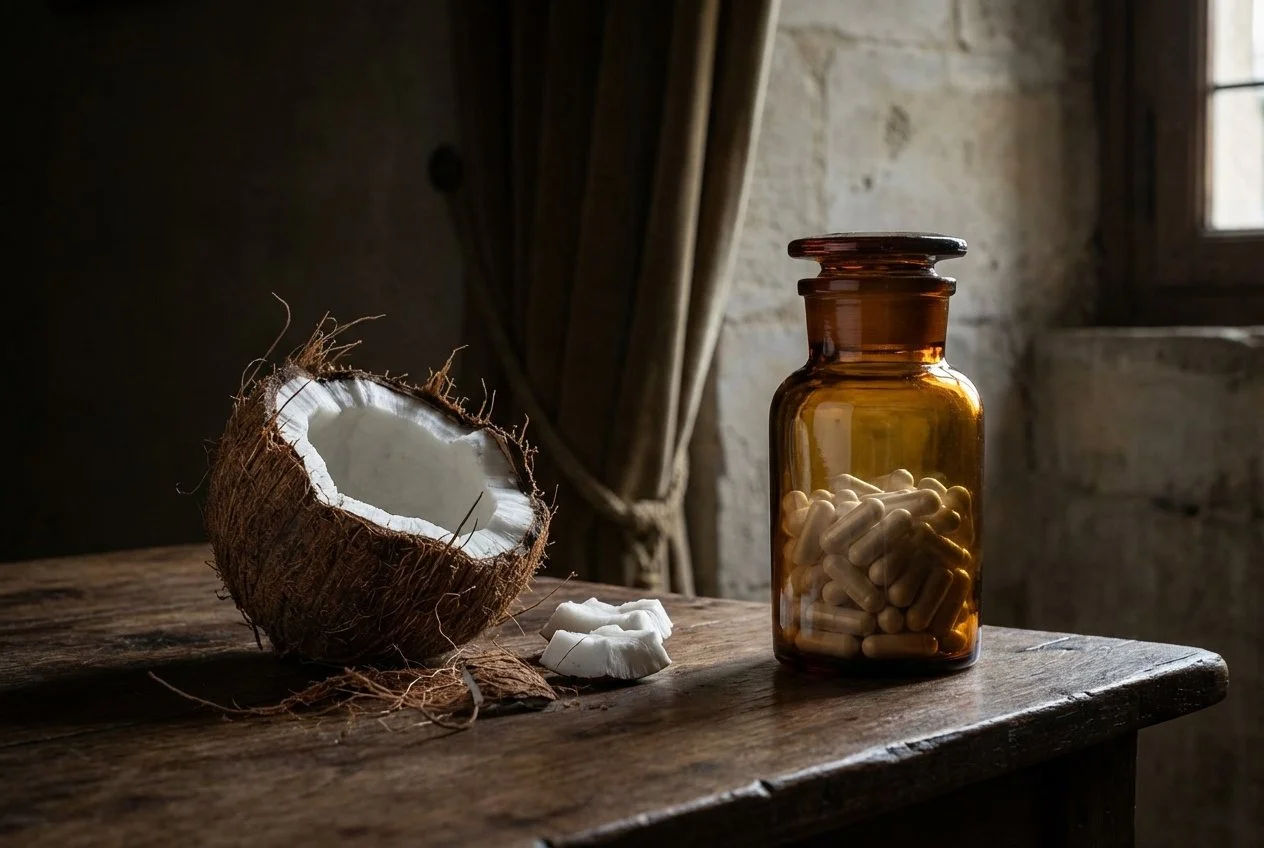
While coconut oil contains the precursor, standardized supplements offer a direct source of monolaurin.
How can consumers evaluate quality monolaurin supplements?
When choosing a supplement to support your health regimen, purity and potency are paramount. Look for brands that prioritize vegetable-derived capsules and avoid unnecessary fillers like magnesium stearate or silica. Third-party testing is also a critical indicator of a reputable product, ensuring that the capsule contains what the label claims. Click here to explore the best monolaurin options that meet rigorous quality standards.
What role does monolaurin play in a holistic immune strategy?
Ultimately, how does this compound fit into a broader lifestyle? While it is not a cure or a replacement for medical treatment, monolaurin serves as a targeted tool for those interested in supporting the body's natural defense mechanisms. By focusing on the structural vulnerabilities of enveloped microbes, it offers a fascinating, nature-derived approach to maintaining resilience. As science continues to explore these interactions, monolaurin remains a compelling subject for those dedicated to proactive wellness.

Monolaurin fits into a broader strategy of proactive wellness and daily resilience.
References
Lieberman, S., Enig, M. G., & Preuss, H. G. (2006). A Review of Monolaurin and Lauric Acid: Natural Virucidal and Bactericidal Agents. Alternative and Complementary Therapies.
Sharafi, S. M., et al. (2017). Protective effects of bioactive fatty acids on viral infection. Journal of Functional Foods.
Preuss, H. G., et al. (2005). Minimum inhibitory concentrations of herbal essential oils and monolaurin for gram-positive and gram-negative bacteria. Molecular and Cellular Biochemistry.
Barker, L. A., et al. (2019). Plant-derived compounds as a source of antiviral drugs. Journal of Pharmacy and Pharmacology.